How Long Does It Really Take to Build Muscle After 50?
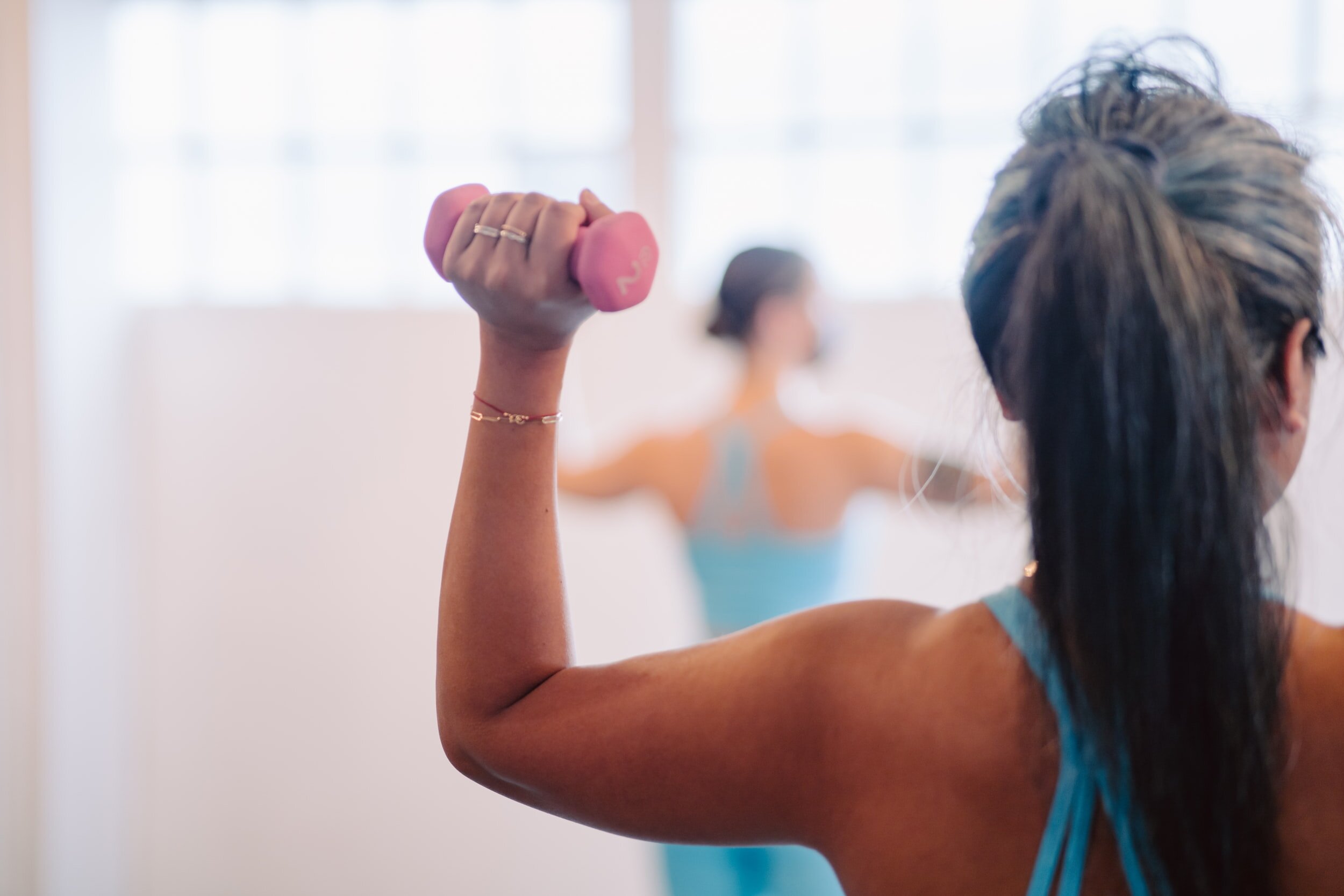
As your body ages, it's normal that your approach to fitness may need to differ from when you were younger. Our workout routines should adapt to our changing bodies, rather than the other way around.When it comes to building muscle, the same sentiment applies. Instead of spending hours lifting weights, gaining muscle mass as an older adult requires an adjustment to fitness routines with your body in mind, allowing even older adults to reap the benefits of increasing muscle mass.
The Importance of Building Muscle
What you do at 50 can shape how you feel at 70.
Building and maintaining muscle isn't just about getting stronger today. Strength training can help preserve the strength, mobility and physical capacity that support an active, independent life as we age.
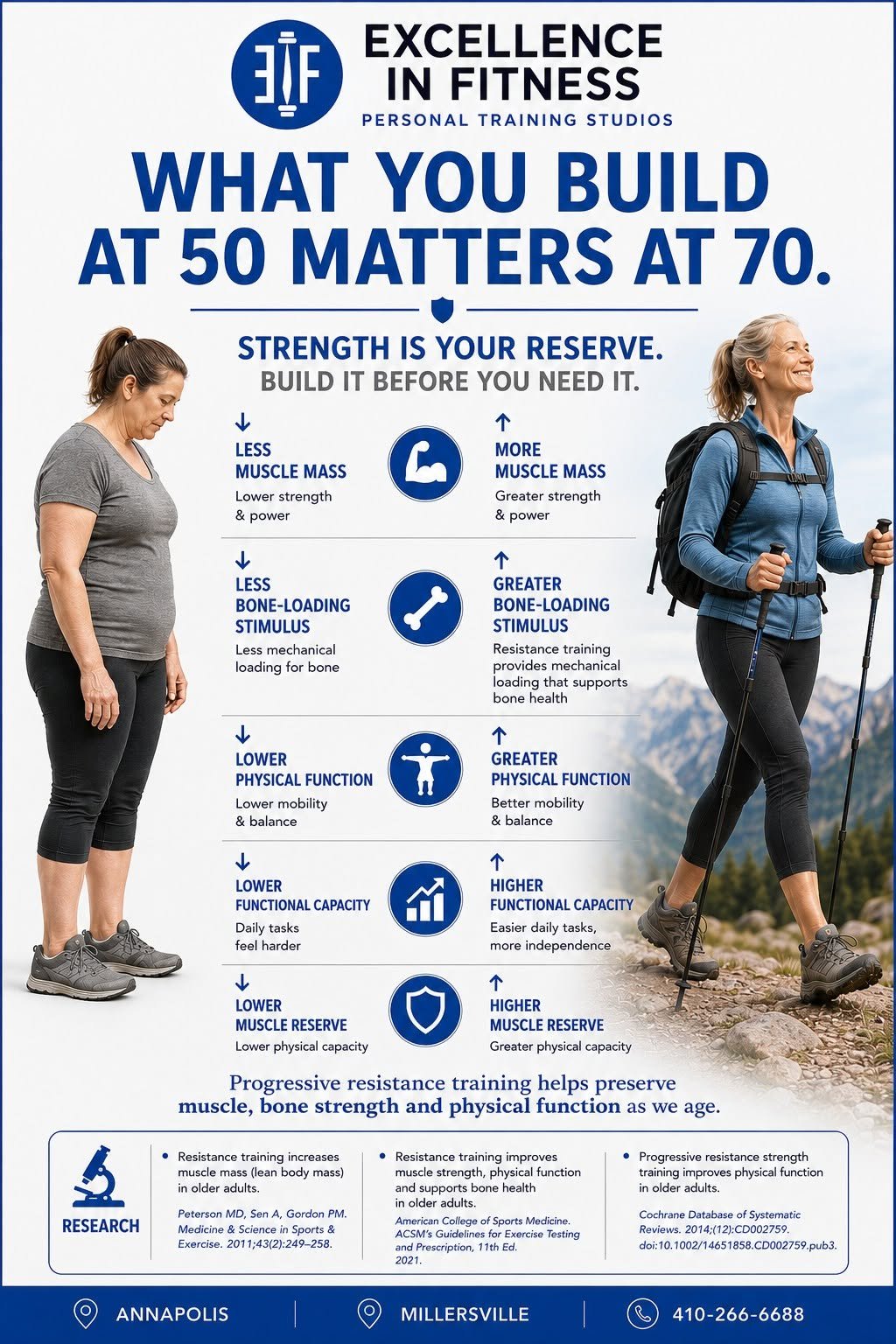
Muscle mass and strength naturally decline as we age, beginning as early as our 30s. While some age-related change is normal, regular resistance training can help slow these losses and improve strength and physical function.
Maintaining muscle and strength can help:
Support balance and mobility
Maintain the strength needed for everyday activities
Support bone health
Improve physical function and independence
This becomes increasingly important as we get older. Strong muscles help us walk, climb stairs, carry groceries, get up from a chair and continue participating in the activities we enjoy. Resistance training also places healthy stress on the musculoskeletal system, making it an important part of an overall approach to maintaining muscle, bone health and physical capacity as we age.
There is a higher chance of falling and injuring yourself as you get older, so more muscle mass may mean a decrease in risks of falls. Even a small amount of strength training to increase muscle mass can increase bone density, thus improving overall balance as well as strength.More bone density also helps reduce symptoms from common ailments of aging, like osteoporosis. Osteoporosis occurs when our bones become porous, making them more fragile and prone to fractures. Weight training keeps the bones healthy and resilient, while also strengthening the muscles around them.Similarly, strength training helps keep the cartilage between your joints from breaking down, which means no joint stiffness or pain. The more active and mobile you are the less likely you are to fall victim to the symptoms of arthritis, lower back pain and other joint pains.
How to Build Muscle Mass
While exercise is a vital component of muscle growth in older adults, it's essential to maintain a healthy balance of nutrition, activity and rest to get the most out of your fitness routine.
Nutrition
Nutrition works alongside resistance training to help support muscle growth, recovery and healthy aging. As we get older, getting enough protein becomes especially important for maintaining muscle mass and physical function.
Protein: Include high-quality protein throughout the day to provide the building blocks muscles need to repair and grow.
Overall nutrition: A balanced diet with enough total energy, fruits, vegetables, whole grains and nutrient-rich foods helps support training and recovery.
Bone-supporting nutrients: Calcium and vitamin D are especially important as we age because they help support bone health alongside resistance and weight-bearing exercise.
Hydration: Staying well hydrated supports overall health, physical activity and recovery.
Activity
Exercise plays an important role in healthy aging, but when the goal is to build and preserve muscle, progressive resistance training is key.
Strength training: Resistance training challenges the muscles to adapt and become stronger. As we age, maintaining muscle and strength becomes increasingly important for supporting balance, mobility, bone health and the ability to stay active.
Cardiovascular activity: Walking, cycling and other aerobic activities are important for heart health, endurance and overall fitness. They complement strength training, but resistance training provides the specific stimulus needed to build and preserve muscle.
At Excellence In Fitness, we use a personalized, one-on-one approach to resistance training. Exercises are selected and progressed based on the individual, with close attention to technique, controlled movement and appropriate resistance.
Rest
Recovery is an important part of building strength. Muscles need time between challenging resistance-training sessions to recover and adapt. The amount of recovery needed varies based on the individual, the intensity of the workout and the muscles trained.
How Long Does It Take Older Adults to Build Muscle?
Many adults can begin getting stronger within the first several weeks of consistent resistance training, while measurable increases in muscle size typically take longer. How quickly you progress depends on factors such as your starting fitness level, age, nutrition, recovery and how consistently you train.
The good news is that adults can build strength and muscle well into their 50s, 60s, 70s and beyond. The key is progressive resistance training performed consistently and at an appropriate intensity. At Excellence In Fitness, we focus on gradual progression rather than rushing the process — building strength safely and sustainably over time.
Start Building Muscle With Excellence In Fitness
If you're in your 40s, 50s, 60s or beyond, it's never too late to get stronger. At Excellence In Fitness, we specialize in private, one-on-one strength training designed around your goals, abilities and starting point.
Our coaches use the Body of Excellence™ approach to help you build strength efficiently with carefully controlled resistance training and personalized progression.
With private studios in Annapolis and Millersville, Maryland, we help adults build the strength and physical capacity to stay active and keep doing the things they love.
Ready to get stronger? Talk with an EIF coach to learn whether our approach is right for you.
Call 410-266-6688 or contact us to get started.